How Does the “Attrition Warfare” Strategy Compare to Maneuver Warfare?
Throughout military history, two major strategic doctrines have shaped how wars are fought:
- Attrition Warfare
- Maneuver Warfare
These two approaches represent fundamentally different philosophies of combat, operational planning, and battlefield victory.
One strategy seeks to:
- Destroy the enemy through exhaustion and losses
while the other aims to:
- Collapse the enemy through speed, disruption, and psychological shock
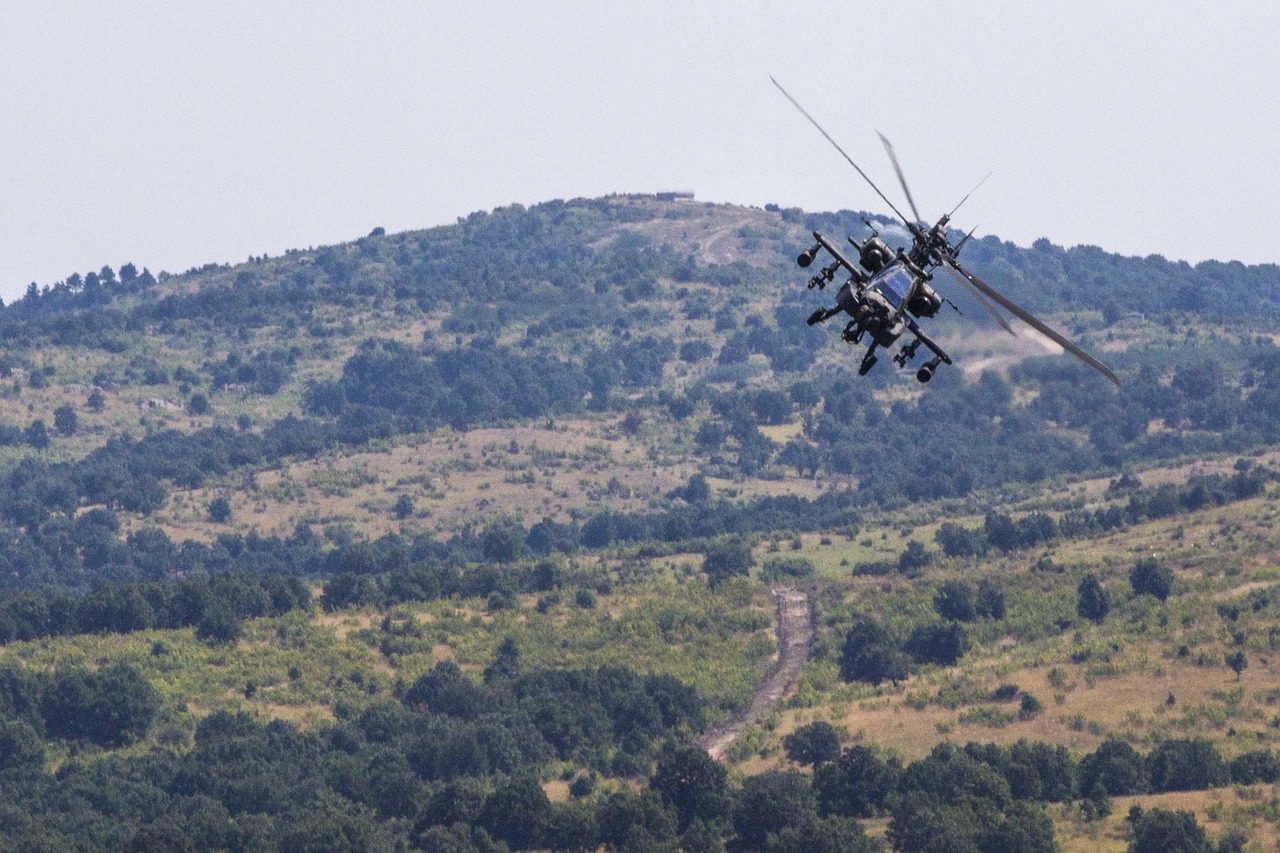
What Is Attrition Warfare?
Attrition Warfare is a military strategy where victory is achieved by:
- Gradually destroying enemy manpower
- Exhausting resources
- Reducing industrial capacity
- Inflicting sustained casualties
The goal is to wear down the enemy until they can no longer continue fighting.
What Is Maneuver Warfare?
Maneuver Warfare focuses on:
- Speed
- Mobility
- Operational flexibility
- Psychological disruption
- Rapid exploitation of weaknesses
Instead of directly destroying every enemy unit, maneuver warfare seeks to:
- Paralyze enemy command structures and decision-making
The Philosophy Behind Attrition Warfare
Attrition warfare assumes that war is fundamentally:
- A contest of resources and endurance
The side with:
- More soldiers
- More ammunition
- Stronger industry
- Greater logistics
eventually wins through cumulative pressure.
The Philosophy Behind Maneuver Warfare
Maneuver warfare assumes that war is primarily:
- A battle of decision-making and operational tempo
The objective is not necessarily to destroy everything physically, but to:
- Disrupt enemy coordination
- Collapse morale
- Break command systems
- Create strategic paralysis
Historical Origins of Attrition Warfare
Attrition warfare became especially dominant during:
- World War I
where trench warfare created:
- Static front lines
- Massive artillery battles
- Continuous casualty-heavy offensives
Historical Origins of Maneuver Warfare
Maneuver warfare evolved from:
- Napoleonic campaigns
- German Blitzkrieg doctrine
These strategies emphasized:
- Rapid movement
- Concentrated attacks
- Deep penetration
- Encirclement operations
The Role of Time in Both Strategies
| Strategy | Time Objective |
|---|---|
| Attrition Warfare | Long-duration exhaustion |
| Maneuver Warfare | Rapid operational collapse |
Attrition Warfare and Firepower
Attrition warfare heavily depends on:
- Massive firepower superiority
including:
- Artillery
- Missiles
- Air bombardment
- Heavy infantry assaults
Maneuver Warfare and Mobility
Maneuver warfare depends heavily on:
- Mobility and operational speed
using:
- Tanks
- Mechanized infantry
- Airpower
- Special forces
- Electronic warfare
The Role of Logistics
Both strategies require logistics, but differently.
| Attrition Warfare | Maneuver Warfare |
|---|---|
| Requires massive sustained supply flow | Requires highly mobile flexible logistics |
| Supports prolonged operations | Supports rapid penetration |
| Heavy ammunition consumption | Heavy fuel and mobility dependence |
Psychological Effects
Attrition warfare creates:
- Fatigue and exhaustion
through prolonged combat pressure.
Maneuver warfare creates:
- Confusion and panic
through rapid unexpected operations.
Examples of Attrition Warfare
1. World War I
Massive trench systems created:
- Slow offensives
- Continuous artillery bombardment
- Millions of casualties
2. Iran-Iraq War
The conflict evolved into:
- Long-duration trench warfare
- Mass casualty operations
- Resource exhaustion
Examples of Maneuver Warfare
1. German Blitzkrieg
Germany used:
- Fast armored thrusts
- Close air support
- Encirclement tactics
to collapse enemy defenses rapidly.
2. Gulf War (1991)
Coalition forces used:
- Precision airpower
- Rapid armored movement
- Deep operational penetration
to dismantle Iraqi defenses quickly.
Technology’s Influence on Attrition Warfare
Modern attrition warfare increasingly relies on:
- Drone warfare
- Precision artillery
- Long-range missile strikes
which can create prolonged high-intensity conflicts.
Technology’s Influence on Maneuver Warfare
Modern maneuver warfare uses:
- Satellite intelligence
- Network-centric warfare
- Electronic warfare
- AI-assisted targeting
Which Strategy Is More Effective?
The answer depends on:
- Terrain
- Technology
- Political goals
- Industrial capacity
- Force structure
Some wars favor:
- Attrition
while others reward:
- Rapid maneuver and operational flexibility
Hybrid Warfare: Combining Both Strategies
Modern militaries increasingly use:
- Hybrid operational models
where:
- Attritional firepower weakens enemy defenses
- Maneuver forces exploit breakthroughs
The Strategic Risks of Attrition Warfare
Attrition warfare carries major risks:
- Massive casualties
- Economic exhaustion
- Political instability
- Long war duration
The Strategic Risks of Maneuver Warfare
Maneuver warfare also has vulnerabilities:
- Overextended supply lines
- Rapid operational collapse if momentum fails
- Dependence on coordination and communication
Conclusion
Attrition warfare and maneuver warfare represent two fundamentally different ways of thinking about combat. Attrition warfare seeks victory through exhaustion, destruction, and sustained pressure, while maneuver warfare focuses on speed, disruption, and operational collapse.
Modern warfare increasingly combines elements of both doctrines. Precision firepower, drones, AI systems, cyber warfare, and network-centric operations are reshaping how attrition and maneuver interact on future battlefields.
Understanding the difference between these strategies remains essential for analyzing both historical conflicts and modern geopolitical military operations.



