Could Rolls-Royce's Engine Offer Finally Help India Build Its Own Fifth-Generation Fighter Powerplant?
Why Does the AMCA Need a New Engine?
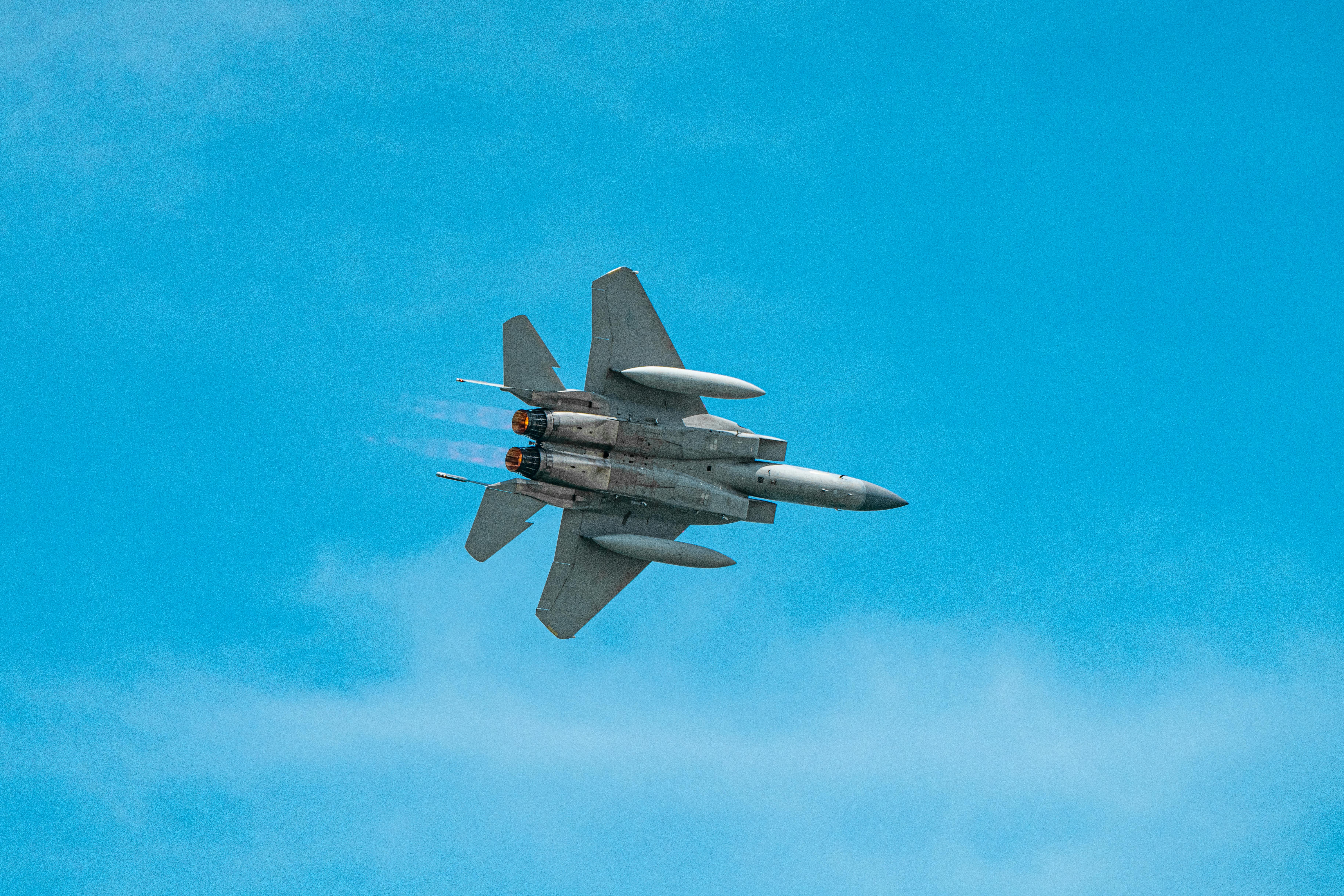
India's Advanced Medium Combat Aircraft (AMCA) is being developed as a fifth-generation stealth fighter capable of carrying advanced sensors, internal weapons, and operating in highly contested environments.
While the initial AMCA Mk1 prototypes are expected to use the proven GE F414 engine, the future AMCA Mk2 is planned to require a more powerful engine capable of producing approximately 120 kN of thrust.
This higher thrust is expected to improve acceleration, payload capacity, supercruise performance, and overall mission effectiveness.
What Is Rolls-Royce Offering?
According to publicly reported information, Rolls-Royce has proposed a broad industrial partnership rather than simply supplying an existing engine.
The proposal reportedly includes:
- A completely new engine designed specifically for the AMCA Mk2.
- Target thrust in the 110–130 kN class, centered around approximately 120 kN.
- Joint development between Indian and British engineers.
- Technology sharing for future development.
- Support for long-term indigenous manufacturing capability.
⬇
New Fighter Engine
⬇
Technology Transfer
⬇
Domestic Manufacturing
⬇
Future Indigenous Capability
What Does "Clean-Sheet Engine Design" Mean?
A clean-sheet design means the engine would be developed from the ground up instead of modifying an existing engine.
This approach allows engineers to optimize every major component—including the compressor, combustor, turbine, cooling system, and digital controls—for the operational requirements of the AMCA Mk2.
Although such projects require greater investment and longer development periods, they also provide greater flexibility for future upgrades.
Technology Transfer and Intellectual Property
One of the most significant aspects of the reported proposal is the offer of extensive technology transfer.
Unlike traditional licensed production arrangements, the proposal has been reported to include:
- Transfer of manufacturing knowledge.
- Transfer of engineering design expertise.
- Joint intellectual property participation.
- Capability for future upgrades within India.
- Support for long-term domestic production.
If implemented as proposed, such an arrangement could strengthen India's ability to independently develop future generations of aero-engines.
+
Manufacturing Capability
⬇
Technology Independence
⬇
Future Engine Development
Building an Aerospace Ecosystem
Beyond the engine itself, the proposal reportedly includes establishing an advanced aero gas-turbine ecosystem within India.
Such an ecosystem could include:
- Engine design centres.
- Research laboratories.
- Testing facilities.
- Advanced manufacturing plants.
- Highly skilled engineering employment.
- Long-term supply chains.
Developing these capabilities could benefit not only military aviation but also future aerospace research and advanced manufacturing sectors.
Reported Development Timeline
| Milestone | Reported Timeline |
|---|---|
| Engine Core Development | Around 2030 |
| Ground Testing | Around 2032 |
| Flight Testing | Around 2034 |
| Series Production | Around 2036 |
Actual timelines would depend on technical progress, testing results, and program approvals.
Why Is Developing a Fighter Engine So Difficult?
Modern military turbofan engines are among the most complex engineering systems ever developed.
They must operate reliably under:
- Extremely high temperatures.
- High rotational speeds.
- Large pressure differences.
- Rapid throttle changes.
- Intense aerodynamic loads.
- Long operational life.
Achieving these requirements demands advanced materials, precision manufacturing, sophisticated cooling technologies, and decades of accumulated engineering expertise.
Why Is Engine Technology Strategically Important?
A fighter aircraft can only achieve its intended performance if its engine meets demanding operational requirements.
Countries with indigenous aero-engine capability gain greater flexibility in upgrading aircraft, maintaining fleets, and supporting long-term defense programs without relying entirely on foreign suppliers.
Potential Long-Term Benefits
- Greater domestic manufacturing capability.
- Expansion of aerospace research.
- Development of highly skilled engineers.
- Strengthened supply chains.
- Improved technological self-reliance.
- Support for future aircraft programs.
- Growth of India's aerospace industry.
The Engineering Perspective
Developing a fifth-generation fighter engine involves expertise across multiple engineering disciplines, including aerodynamics, thermodynamics, materials science, combustion engineering, digital control systems, precision manufacturing, and structural analysis. Success depends not only on designing an efficient engine but also on creating a sustainable ecosystem capable of supporting decades of continuous development and upgrades.
The Strategic Perspective
Modern airpower is shaped not only by advanced aircraft but also by the technologies that power them. Indigenous propulsion capability can provide long-term flexibility in modernization, maintenance, and future aircraft development. Collaborative international partnerships, when structured around knowledge sharing and domestic capability building, may contribute to strengthening a nation's aerospace ecosystem while reducing dependence on external sources over time.
Conclusion
The reported Rolls-Royce proposal for the AMCA Mk2 engine program represents a potentially significant opportunity to strengthen India's indigenous aero-engine capabilities through joint development, advanced technology collaboration, and domestic industrial growth. While the final structure of any partnership will depend on government decisions and contractual agreements, the proposal highlights the growing importance of propulsion technology in modern defense aviation. Beyond powering a single aircraft, such initiatives have the potential to influence the future of aerospace engineering, manufacturing, and technological self-reliance for decades to come.



0 Comments