Is Pakistan's New Sea Sultan Maritime Patrol Aircraft Changing the Balance of Naval Surveillance in the Arabian Sea?
Why Are Maritime Patrol Aircraft So Important?
Modern naval operations extend far beyond surface ships. Today's threats include stealth submarines, long-range anti-ship missiles, unmanned systems, and hostile surface combatants operating hundreds of kilometers from shore.
Maritime Patrol Aircraft (MPAs) provide commanders with long-range eyes and ears over vast stretches of ocean.
Their primary missions include:
- Anti-Submarine Warfare (ASW)
- Anti-Surface Warfare (ASuW)
- Maritime Intelligence, Surveillance and Reconnaissance (ISR)
- Search and Rescue (SAR)
- Long-range maritime surveillance
- Target designation for naval strike assets
Without effective maritime patrol aircraft, even a powerful navy may struggle to locate enemy submarines or surface vessels before they pose a threat.
What Is the Sea Sultan?
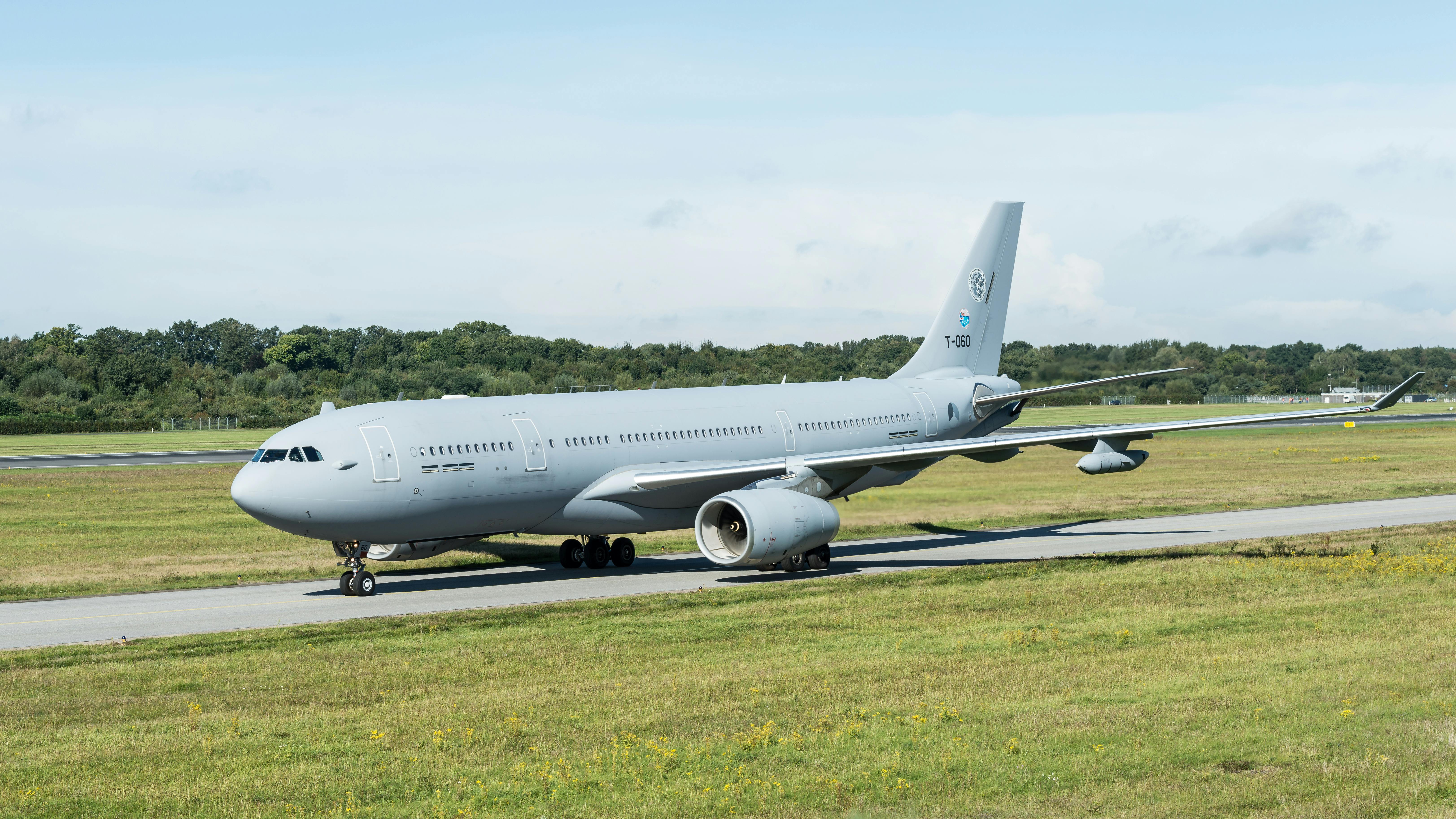
The Sea Sultan is Pakistan's latest maritime patrol aircraft developed by integrating the Embraer Lineage 1000E business jet platform with specialized maritime mission systems.
According to publicly available information, Pakistan selected an existing commercial aircraft and integrated mature radar, sensors, mission computers, and weapon interfaces supplied by international defense partners.
This approach significantly reduces development time compared with designing a completely new aircraft.
What Missions Can Sea Sultan Perform?
The Sea Sultan has reportedly been configured for multiple naval missions, including:
- Anti-Submarine Warfare (ASW)
- Anti-Surface Warfare (ASuW)
- Maritime ISR
- Search and Rescue Operations
- Long-Range Maritime Surveillance
- Targeting Support for Naval Forces
These capabilities enable maritime commanders to monitor shipping lanes, detect submarines, and provide targeting information for naval combat operations.
Technology Behind the Sea Sultan
Open-source reports indicate that Pakistan combined the Embraer Lineage 1000E airframe with mission systems, radar, sensors, and weapons integration technology supplied by Leonardo.
Defense analysts have noted similarities in concept with the Saab Swordfish, another business-jet-based maritime patrol aircraft.
Although exact system specifications remain undisclosed, the aircraft is expected to carry modern electro-optical sensors, maritime surveillance radar, electronic support systems, and anti-submarine mission equipment.
Pakistan's Fleet Expansion
Pakistan has reportedly:
- Ordered 8 Sea Sultan aircraft.
- Received the first 2 aircraft.
- Plans to replace portions of its aging P-3C Orion fleet.
- Continue operating the RAS-72 Sea Eagle alongside the Sea Sultan.
This modernization aims to improve Pakistan's maritime surveillance and anti-submarine capabilities over the coming years.
Future Indigenous Weapons Integration
Pakistan has also indicated interest in integrating indigenous weapons onto the Sea Sultan.
Among the systems publicly displayed by Pakistan's defense industry are:
- Rasoob-250 Air-Launched Cruise Missile (ALCM)
- Eghraaq Lightweight Torpedo (LWT)
If successfully integrated, such weapons could reduce dependence on imported munitions while expanding operational flexibility.
How Does India Compare?
India currently operates the Boeing P-8I Poseidon, one of the world's most capable maritime patrol aircraft.
The P-8I offers:
- Long-range surveillance.
- Advanced anti-submarine warfare capabilities.
- Anti-surface strike capability.
- Network-centric operations.
However, public reports indicate that expanding the P-8I fleet has become more challenging because additional aircraft would require further foreign procurement.
India has also discussed the possibility of developing an indigenous maritime patrol aircraft based on the Tata-Airbus C-295 platform, although no operational program has yet entered service.
Fleet Numbers
According to the figures referenced in this analysis:
| Country | Approximate Maritime Patrol Aircraft |
|---|---|
| Pakistan | 13 (including Sea Sultan induction) |
| India | 12 P-8I aircraft |
These numbers are based on publicly discussed fleet counts and may change as future inductions or retirements occur.
Does Fleet Size Alone Determine Maritime Superiority?
Not necessarily.
Operational effectiveness depends upon many factors:
- Aircraft capability.
- Mission availability.
- Crew training.
- Sensor performance.
- Weapons carried.
- Satellite support.
- Naval command-and-control systems.
- Integration with ships, submarines, and other aircraft.
Moreover, India is responsible for monitoring a significantly larger maritime area than Pakistan, which influences force structure and operational requirements.
The Engineering Perspective
The Sea Sultan reflects a growing trend in military aviation: adapting proven commercial airframes for specialized defense missions. By integrating advanced radar, electro-optical sensors, electronic support measures, mission computers, and anti-submarine systems into an existing aircraft platform, nations can accelerate capability development while reducing technical risk and development costs.
The Strategic Perspective
The induction of the Sea Sultan strengthens Pakistan's maritime surveillance architecture and enhances its ability to monitor its coastline and surrounding waters. At the same time, India's maritime strategy extends well beyond the Arabian Sea, encompassing the broader Indian Ocean Region (IOR). As a result, future maritime competition is likely to be shaped not only by aircraft numbers but also by advances in sensor technology, network-centric warfare, indigenous defense production, and joint operations across naval, air, and space domains.
Conclusion
The induction of the Sea Sultan marks an important step in the modernization of Pakistan's naval aviation capabilities. By combining a modern commercial airframe with advanced maritime mission systems, Pakistan aims to strengthen its capabilities in ASW, ASuW, ISR, and maritime surveillance. While fleet numbers provide one measure of capability, the true balance at sea depends on technology, operational readiness, logistics, training, and integration across the broader naval force. As both India and Pakistan continue to modernize their maritime aviation assets, maritime patrol aircraft will remain central to maintaining situational awareness and protecting national interests at sea.



0 Comments