Operation Thunderbolt: The Daring Raid That Shocked the World
Strategic Horizon – Legendary Military Operations Series
In the history of modern warfare, certain military operations stand out not only for their tactical brilliance but also for their boldness and speed. One such operation is Operation Thunderbolt, a mission that demonstrated the power of surprise, precision planning, and elite special forces. The operation remains one of the most dramatic hostage rescue missions ever executed.
In July 1976, the world watched anxiously as a hijacked passenger aircraft and its hostages were held in Uganda. What followed was a daring rescue operation that stunned military strategists across the globe.
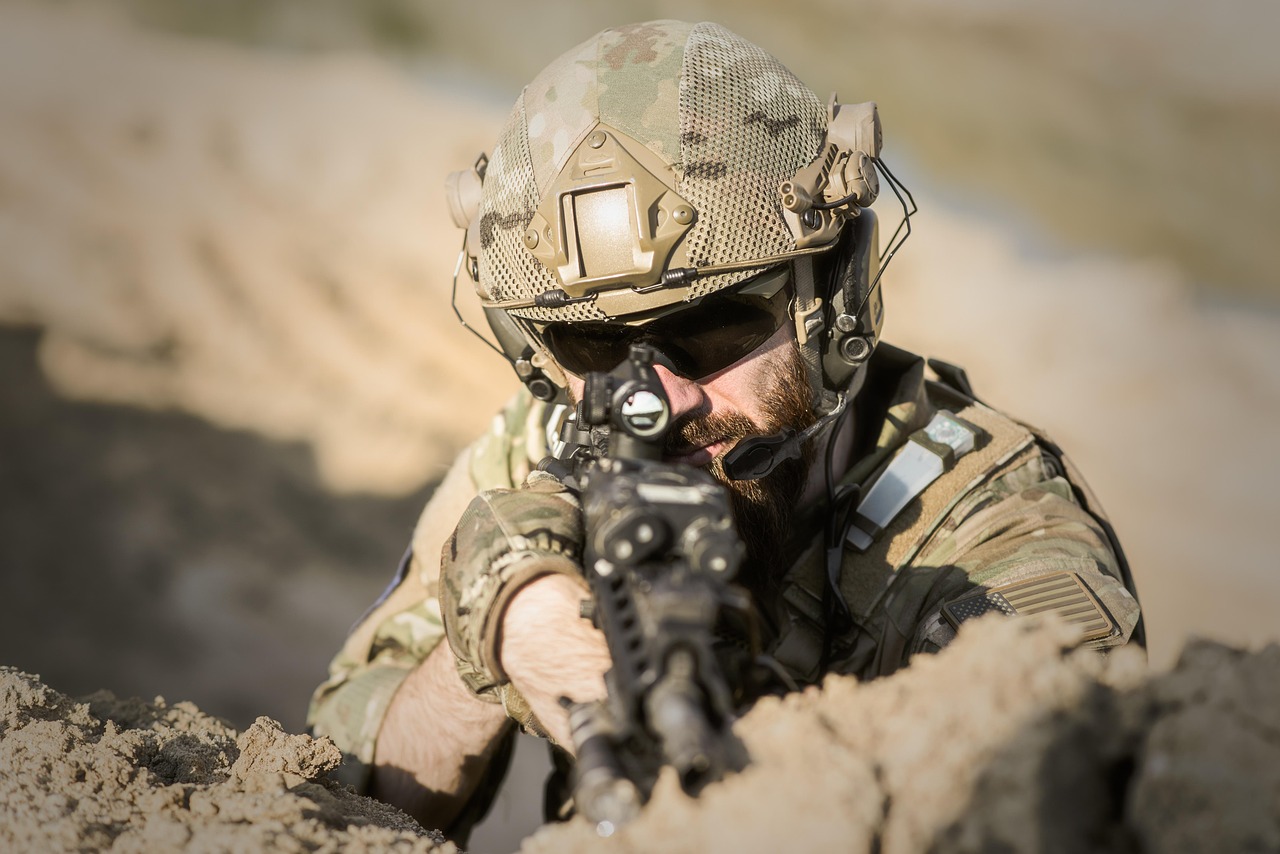
Elite military forces preparing for high-risk combat operations
The Crisis Begins
The crisis began when an Air France flight traveling from Tel Aviv to Paris was hijacked by militants and forced to land at Entebbe Airport in Uganda. The hijackers demanded the release of several imprisoned militants in exchange for the hostages.
For days the situation remained tense as negotiations continued. However, Israeli leaders concluded that the only viable solution was a military rescue mission thousands of kilometers away from their homeland.
Planning the Impossible Mission
Planning Operation Thunderbolt required extraordinary intelligence and coordination. Israeli intelligence agencies gathered detailed information about the airport layout, the location of the hostages, and the positions of hostile forces guarding them.
Special forces units rehearsed the operation repeatedly under extreme secrecy. The plan involved flying transport aircraft across Africa at low altitude to avoid radar detection and landing unexpectedly at the airport where the hostages were held.
Special operations forces training for rapid assault missions
The Lightning Assault
On the night of July 4, 1976, Israeli commandos arrived at Entebbe Airport in a surprise assault. The elite unit quickly stormed the terminal building where the hostages were being held.
Within minutes, the commandos neutralized the hijackers and secured the hostages. The speed and precision of the operation prevented the militants from carrying out their threats.
The entire raid lasted less than an hour, making it one of the fastest and most successful long-distance rescue operations ever conducted.
Air Power and Rapid Extraction

After securing the hostages, the commandos rapidly evacuated them aboard waiting aircraft. Fighter escorts and transport planes worked together to ensure the safe extraction of everyone involved.
The operation demonstrated the importance of air mobility in modern military operations. Without rapid air transport and long-range planning, such a mission would have been impossible.
Strategic Impact
Operation Thunderbolt transformed global perceptions of counterterrorism operations. Military planners worldwide began studying the raid as an example of how elite special forces could conduct precise rescue missions in hostile territory.
The operation also highlighted the value of intelligence gathering, surprise tactics, and rapid deployment capabilities.
Legacy of the Operation
Today, Operation Thunderbolt is widely studied in military academies around the world. It demonstrated that well-planned special operations could succeed even under extremely challenging conditions.
The raid also reinforced the importance of decisive leadership and the willingness to take calculated risks when lives are at stake.
Conclusion
Operation Thunderbolt remains one of the most remarkable special operations in modern military history. Its success demonstrated the power of planning, courage, and precision execution.
Decades later, the operation continues to inspire military strategists and special forces units worldwide, serving as a powerful reminder that bold actions and strategic innovation can change the course of events.
Frequently Asked Questions (FAQs)
1. What was Operation Thunderbolt?
Operation Thunderbolt was a 1976 military rescue mission carried out by Israeli commandos to rescue hostages held at Entebbe Airport in Uganda.
2. Why is Operation Thunderbolt famous?
The operation is famous for its daring long-distance raid and its rapid, successful rescue of hostages.
3. How long did the operation last?
The actual assault phase lasted less than an hour once the commandos reached the airport.
4. What made the mission unique?
The operation involved flying thousands of kilometers to carry out a surprise hostage rescue deep inside hostile territory.
5. Why is the operation studied today?
Military academies analyze the mission for its strategic planning, surprise tactics, and elite special forces coordination.



