Why Does the Fastest Military Not Always Win? Understanding the Sensor-to-Shooter Chain in Modern Warfare
What Is the Sensor-to-Shooter Chain?
The Sensor-to-Shooter Chain is the complete sequence through which military forces transform battlefield information into combat action.
It begins when a sensor detects a target and ends when a weapon successfully engages that target.
Every modern military operation—whether involving aircraft, missiles, naval forces, or artillery—depends upon this chain functioning accurately and rapidly.
The Five Stages of the Sensor-to-Shooter Chain
| Stage | Purpose |
|---|---|
| 1. Detect | Locate a possible target using sensors. |
| 2. Identify | Confirm whether the target is hostile. |
| 3. Decide | Commanders determine the appropriate response. |
| 4. Engage | Weapons are launched or fired. |
| 5. Assess | Evaluate whether the target has been neutralized. |
Which Systems Act as Sensors?
Modern militaries employ numerous sensors simultaneously.
- Reconnaissance Satellites
- Airborne Early Warning Aircraft (AEW&C)
- Ground Surveillance Radars
- Naval Radars
- Electro-Optical Cameras
- Infrared Sensors
- Electronic Intelligence (ELINT) Systems
- Signals Intelligence (SIGINT)
- Reconnaissance Drones
- Human Intelligence (HUMINT)
Each sensor provides part of the battlefield picture. Together, they create comprehensive situational awareness.
What Happens After Detection?
Finding a target is only the beginning.
The collected information is transmitted through secure communication networks to command centers where analysts and military commanders verify:
- Target identity
- Location accuracy
- Threat level
- Potential collateral damage
- Available weapon options
Only after this process is a firing decision made.
Who Are the Shooters?
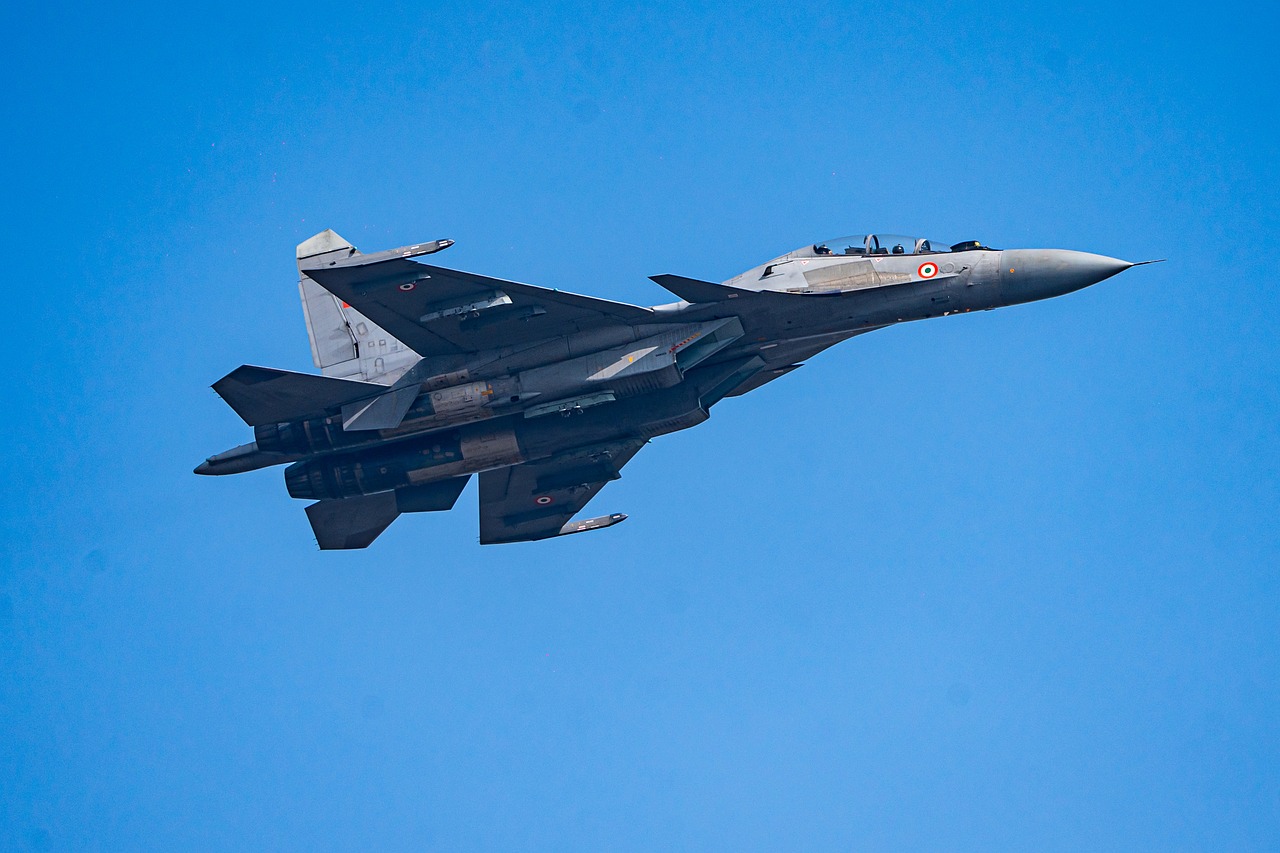
The "Shooter" may be any military platform capable of delivering force.
- Fighter Aircraft
- Cruise Missiles
- Ballistic Missiles
- Rocket Artillery
- Warships
- Submarines
- Attack Helicopters
- Combat Drones
- Long-Range Precision Artillery
The command system selects the shooter that offers the greatest probability of mission success.
Why Speed Matters
Modern battlefields evolve extremely quickly.
A missile launcher detected today may relocate within minutes.
An enemy aircraft may disappear from radar in seconds.
A drone swarm can reach its objective before traditional command systems complete their decision-making process.
Consequently, militaries seek to compress the Sensor-to-Shooter Chain from hours to minutes—or even seconds.
Role of Artificial Intelligence
Artificial Intelligence is becoming a critical component of modern command systems.
AI can assist by:
- Filtering enormous sensor data.
- Recognizing military targets.
- Prioritizing threats.
- Predicting enemy movement.
- Suggesting weapon allocation.
- Reducing human decision time.
Human commanders generally remain responsible for authorizing the use of force, but AI can significantly accelerate the analysis phase.
Sensor Fusion: One Battlefield Picture
No single sensor is perfect.
For example:
- A radar detects an aircraft.
- An infrared sensor confirms engine heat.
- A satellite verifies the location.
- An electronic warfare system identifies radar emissions.
Combining these sources creates a more reliable and accurate operational picture.
This process is known as Sensor Fusion.
Challenges in Building an Effective Sensor-to-Shooter Chain
- Communication delays.
- Cyber attacks.
- Electronic jamming.
- GPS interference.
- Data overload.
- Inter-service coordination.
- Incorrect target identification.
- Political authorization delays.
Any weakness within the chain can significantly reduce operational effectiveness.
Real-World Example
Imagine a reconnaissance satellite detects an enemy mobile missile launcher.
- The satellite captures high-resolution imagery.
- Artificial Intelligence identifies the vehicle type.
- The information is transmitted to a command center.
- Commanders confirm the target.
- A nearby fighter aircraft receives updated coordinates.
- A precision-guided missile is launched.
- A reconnaissance drone verifies the strike's effectiveness.
This entire sequence may occur within minutes if the network is properly integrated.
The Engineering Perspective
The Sensor-to-Shooter Chain represents one of the most sophisticated examples of Systems Engineering. It combines Satellite Engineering, Radar Technology, Artificial Intelligence, Secure Communications, Command and Control (C2), Electronic Warfare, and Precision-Guided Weapons into a single operational ecosystem. The greatest engineering challenge lies not in building individual components, but in ensuring they exchange information securely, accurately, and almost instantaneously.
The Strategic Perspective
Military analysts increasingly argue that the future of warfare will be decided by decision speed as much as by weapon performance. Nations that can rapidly integrate sensors, command systems, and precision weapons gain the ability to respond before adversaries can react. This emphasis has accelerated investment in integrated command structures, AI-assisted battle management, space-based surveillance, and resilient communication networks. Ultimately, a faster and more reliable Sensor-to-Shooter Chain enhances operational effectiveness while enabling commanders to make informed decisions in highly dynamic combat environments.
Conclusion
The Sensor-to-Shooter Chain has become one of the defining concepts of modern military operations. By integrating advanced sensors, secure communications, intelligent decision-making, and precision strike capabilities, armed forces can dramatically reduce the time between detecting a threat and responding to it. As technologies such as Artificial Intelligence, Hypersonic Weapons, Military Satellites, and Autonomous Systems continue to evolve, the ability to build a faster, more resilient, and highly integrated Sensor-to-Shooter Chain will remain a critical factor in determining military effectiveness on future battlefields.



0 Comments