Why Is the Indian Army Investing in New Drone and Missile Target Systems for Training?
Why Is the Army Upgrading Its Training?
Modern battlefields are changing rapidly. While fighter aircraft remain important, armed forces now face an increasing number of threats from drones, loitering munitions, cruise missiles, and unmanned aerial systems.
To prepare its air defence personnel for these challenges, the Indian Army has begun the process of acquiring new target systems that can realistically simulate these emerging threats during training exercises.
Which Target Systems Are Being Planned?
The Army has issued Requests for Information (RFIs) for three different categories of aerial target systems:
- Intermediate Target System (Rocket)
- Basic Target System (Swarm Drones)
- Basic Target System (Multirotor Copter)
Each system is intended to represent a different type of aerial threat encountered in modern warfare.
⬇
Target Detection
⬇
Missile Lock
⬇
Weapon Engagement
⬇
Performance Evaluation
Intermediate Target System (Rocket)
The Intermediate Target System is intended to simulate faster aerial threats for air defence missile operators.
One of its key features is the generation of an infrared (IR) signature, allowing troops to train with infrared-guided air defence missiles under realistic operating conditions.
Such training helps personnel practice:
- Target acquisition.
- Infrared tracking.
- Missile engagement procedures.
- Reaction under operational conditions.
Why Train Against Drone Swarms?
One of the most significant developments in modern warfare is the growing use of drone swarms.
Instead of a single unmanned aircraft, a swarm consists of multiple drones operating simultaneously, sometimes coordinating their actions.
These systems can challenge conventional air defence because:
- Multiple targets appear simultaneously.
- Threat directions change rapidly.
- Operators have limited reaction time.
- Air defence resources may become saturated.
⬇
Target Detection
⬇
Threat Prioritization
⬇
Air Defence Engagement
Training Against Multirotor Drones
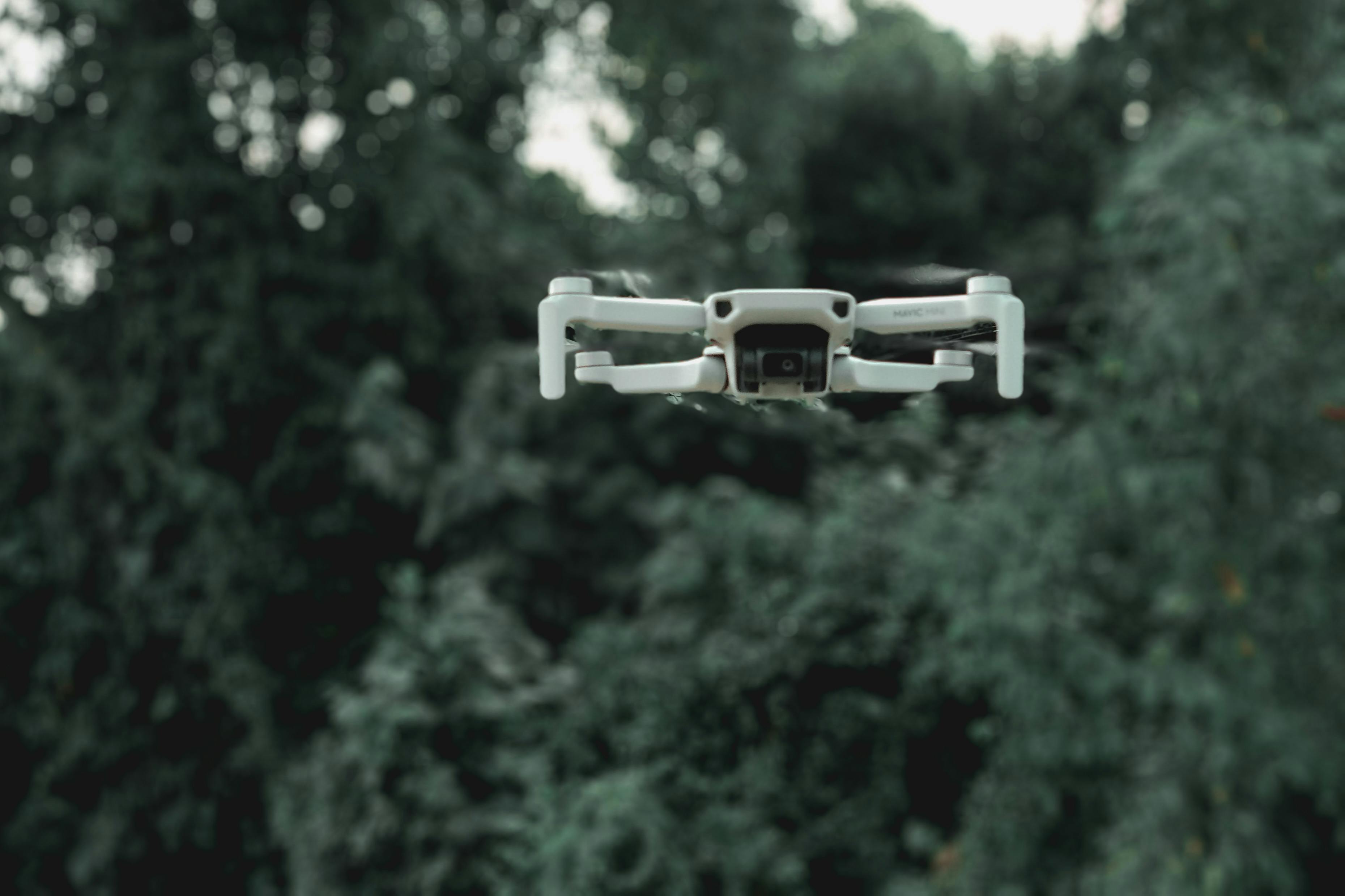
Commercial-style multirotor drones have become increasingly common on modern battlefields.
Although relatively small, they can perform reconnaissance, surveillance, electronic warfare support, or deliver small payloads.
Dedicated multirotor target systems allow soldiers to practice:
- Visual identification.
- Radar tracking.
- Electro-optical detection.
- Counter-drone engagement procedures.
Why Are Drone Threats Growing?
Recent conflicts around the world have demonstrated that unmanned systems can influence military operations at relatively low cost.
Modern drones are capable of:
- Persistent surveillance.
- Real-time intelligence gathering.
- Precision strike missions.
- Electronic warfare support.
- Battlefield reconnaissance.
As a result, military organizations increasingly emphasize counter-drone training alongside conventional air defence.
What Is an Infrared Signature?
Every operating engine produces heat that can be detected by infrared sensors.
Infrared-guided missiles use this thermal energy to identify and track targets.
Training targets that generate realistic infrared signatures allow operators to practice missile engagements under conditions that closely resemble actual combat.
Benefits of Realistic Training
Modern military training increasingly emphasizes realistic operational scenarios rather than classroom instruction alone.
Advanced target systems help improve:
- Reaction speed.
- Target recognition.
- Weapon accuracy.
- Decision-making under pressure.
- Coordination between air defence units.
- Operational confidence.
⬇
Better Training
⬇
Improved Readiness
⬇
Higher Mission Effectiveness
Supporting Modern Air Defence
Today's air defence networks must be capable of responding to a wide range of aerial threats simultaneously.
These may include:
- Fighter aircraft.
- Cruise missiles.
- Ballistic missiles.
- Loitering munitions.
- Reconnaissance drones.
- Drone swarms.
Training with diverse target systems prepares personnel to operate effectively across this broad threat spectrum.
The Engineering Perspective
Designing military target systems requires expertise in aerodynamics, propulsion, telemetry, infrared signature generation, flight control systems, communications, and safety engineering. The objective is to create targets that accurately replicate the flight characteristics and sensor signatures of real aerial threats while remaining reliable and reusable for repeated training exercises.
The Strategic Perspective
Modern conflicts have demonstrated that air defence is no longer focused solely on intercepting conventional aircraft. Increasingly, armed forces must counter a diverse range of unmanned systems operating at different speeds, altitudes, and flight profiles. Investing in realistic training infrastructure helps ensure that personnel are prepared for the evolving nature of aerial warfare and emerging technologies.
Conclusion
The Indian Army's initiative to acquire new rocket, swarm drone, and multirotor target systems reflects the changing character of modern warfare, where unmanned aerial systems play an increasingly significant role. By providing realistic training against evolving aerial threats, these target systems are expected to enhance the readiness of air defence units, improve operational effectiveness, and support India's broader effort to modernize its defence capabilities for future battlefield environments.



0 Comments