Why Is India's GE F414 Fighter Engine Deal Facing Delays, and What Does It Mean for the AMCA Programme?
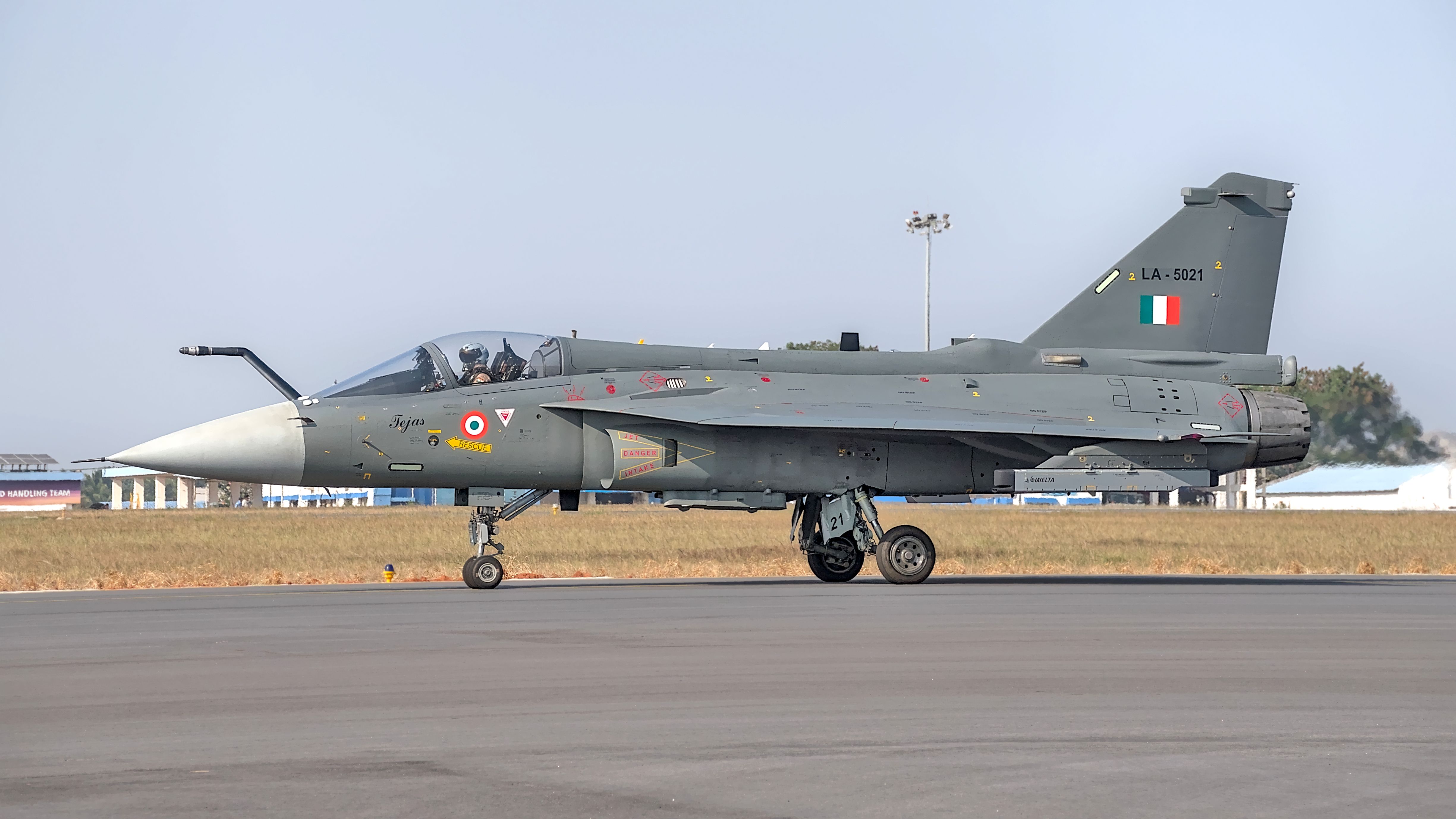
Why Is the GE F414 Engine Important?
The GE F414 is a modern afterburning turbofan engine widely regarded for its reliability and performance in advanced combat aircraft.
India selected the engine to power the upcoming LCA Mk2 and serve as the interim propulsion system for the first production batches of the Advanced Medium Combat Aircraft (AMCA Mk1).
Until an indigenous higher-thrust engine becomes available, the F414 was expected to bridge India's transition toward fifth-generation fighter capability.
Why Have Negotiations Become Difficult?
According to publicly reported information, commercial negotiations have become more complex following a substantial increase in the reported cost of each engine compared to earlier expectations.
Higher acquisition costs naturally affect the overall programme budget because a fighter aircraft programme requires not only operational engines but also spare engines, testing units, logistics support, and long-term maintenance infrastructure.
⬇
Programme Budget
⬇
Production Planning
⬇
Fleet Expansion
Why Does the AMCA Need the F414?
The AMCA is India's indigenous fifth-generation stealth fighter programme.
The initial Mk1 version is expected to use an existing high-performance engine while India simultaneously develops a more powerful indigenous engine for later variants.
This phased approach allows aircraft development and flight testing to begin without waiting for a completely new propulsion system to mature.
Why Is the Engine So Critical?
A fighter engine influences nearly every aspect of aircraft performance:
- Maximum speed.
- Combat radius.
- Payload carrying capability.
- Stealth integration.
- Climb rate.
- Fuel efficiency.
- Future upgrade potential.
Selecting the right engine therefore affects both operational capability and the long-term evolution of the aircraft.
⬇
Aircraft Performance
⬇
Mission Capability
⬇
Operational Readiness
Why Are Alternative Engines Being Evaluated?
As commercial discussions continue, India's defence research organizations are also examining alternative propulsion solutions for future requirements.
International engine manufacturers have proposed different partnership models involving:
- Technology collaboration.
- Licensed manufacturing.
- Joint development.
- Industrial partnerships.
- Different levels of technology transfer.
Evaluating multiple options helps decision-makers compare technical capability, industrial benefits, costs, and long-term strategic value.
Technology Transfer Matters
One of the most important considerations is not only purchasing engines but also developing domestic capability to manufacture, maintain, and eventually improve future propulsion systems.
Greater technology transfer can strengthen:
- Indigenous manufacturing.
- Engineering expertise.
- Supply-chain development.
- Future engine research.
- Long-term aerospace independence.
⬇
Domestic Manufacturing
⬇
Engineering Capability
⬇
Future Indigenous Engines
What Is the Prototype Requirement?
The AMCA development programme includes multiple prototype aircraft before entering serial production.
Since the aircraft uses two engines, each prototype requires operational engines along with additional spare engines for testing and maintenance.
Thousands of test flights and ground evaluations are typically conducted before a new fighter aircraft enters operational service.
Why Does India Need More Fighter Aircraft?
Modern fighter aircraft programmes are developed not only to replace aging platforms but also to maintain sufficient operational strength.
As older aircraft retire, timely induction of new platforms becomes important for maintaining overall combat capability and operational readiness.
Challenges in Fighter Engine Development
Developing a modern military turbofan engine remains one of the most demanding engineering achievements.
Engine designers must master:
- High-temperature materials.
- Advanced turbine cooling.
- Combustion efficiency.
- Digital engine controls.
- Precision manufacturing.
- Reliability over thousands of flight hours.
Why Is Industrial Collaboration Important?
Modern defence programmes increasingly involve international industrial cooperation rather than simple equipment purchases.
Such collaborations may include:
- Joint manufacturing.
- Component localization.
- Research partnerships.
- Supply-chain development.
- Skill development.
- Long-term maintenance support.
These partnerships can contribute to strengthening a nation's domestic aerospace ecosystem over time.
The Engineering Perspective
Propulsion technology lies at the heart of modern combat aviation. Designing an advanced fighter engine requires expertise in thermodynamics, fluid mechanics, combustion science, materials engineering, aerodynamics, digital control systems, and precision manufacturing. Beyond producing thrust, the engine must deliver reliability, fuel efficiency, low maintenance requirements, and compatibility with stealth aircraft design.
The Strategic Perspective
Modern air power depends not only on advanced aircraft but also on secure access to propulsion technology. Nations increasingly seek long-term industrial partnerships that strengthen domestic manufacturing capability while reducing dependence on external suppliers. Decisions regarding engine selection therefore influence both defence preparedness and future aerospace development.
Conclusion
The ongoing discussions surrounding the GE F414 engine programme highlight the complexity of modern defence procurement, where technical performance, commercial considerations, industrial collaboration, and technology transfer all play important roles. As India advances the AMCA and other indigenous fighter programmes, propulsion technology will remain one of the most significant factors influencing the future of its aerospace industry and long-term defence self-reliance.



0 Comments