“Not a War?” — Inside Russia’s Strategy of Calling the Ukraine Conflict a Demilitarization Operation
In February 2022 the world witnessed one of the largest military confrontations in Europe since World War II when Russia launched a full-scale offensive into Ukraine. Tanks crossed borders, missiles struck military infrastructure, and fighter jets dominated the skies. Yet Russia officially refused to call the conflict a “war”. Instead, the Kremlin described it as a “Special Military Operation” aimed at the demilitarization of Ukraine. :
This choice of terminology was not accidental. It reflected a carefully constructed strategic narrative intended to shape domestic opinion, control escalation, and define the objectives of the conflict within Russia’s military doctrine.
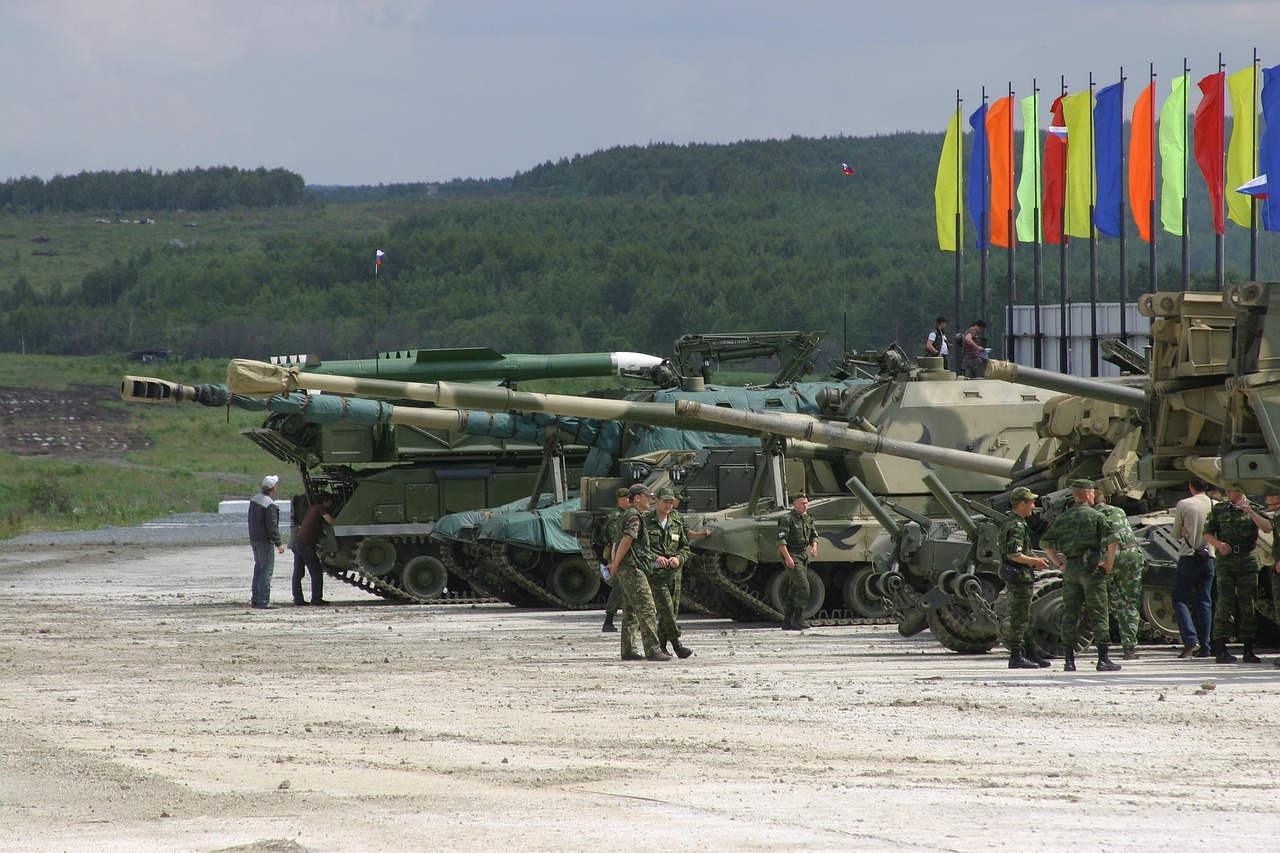
Armored warfare became one of the defining features of the Russia-Ukraine conflict
The Beginning of the Conflict
On 24 February 2022 Russian President Vladimir Putin announced a military operation targeting Ukraine. According to the Kremlin, the objectives were to protect Russian-speaking populations in eastern Ukraine and to neutralize military threats emerging from NATO expansion.
The Russian leadership stated that the operation aimed at two major goals:
- Demilitarization of Ukraine
- Denazification of Ukrainian political structures
In strategic terms, demilitarization meant reducing Ukraine’s military capacity so that it could no longer pose a security threat to Russia or host NATO military infrastructure near Russian borders.
Why Russia Avoids the Word “War”
The Kremlin’s use of the term “special military operation” instead of “war” has both political and strategic implications. Within Russia, the government strictly promotes this terminology in official communication and media narratives.
Several strategic reasons explain this choice:
- To present the conflict as a limited military mission rather than a full-scale war
- To maintain domestic political stability within Russia
- To signal that Russia’s objective is strategic neutralization, not total occupation
- To frame the campaign as a security operation against perceived NATO threats
Military analysts note that the term also helps Moscow control the legal and political narrative of the conflict, portraying it as a defensive strategic action rather than an invasion.

Modern armored formations and artillery dominate the battlefield
The Strategic Meaning of “Demilitarization”
In military doctrine, demilitarization refers to weakening an opponent’s armed forces, infrastructure, and defense industry so that it cannot effectively conduct large-scale military operations.
According to Russian officials, Ukraine had developed strong military capabilities and close cooperation with NATO countries before the conflict began. The stated goal of Russia’s campaign was therefore to neutralize this military potential.
This includes targeting:
- Air bases and fighter aircraft
- Missile systems and artillery
- Military logistics infrastructure
- Defense production facilities

Air power remains a critical element in modern military strategy
The Broader Geopolitical Context
The conflict quickly transformed from a regional confrontation into a major geopolitical struggle. Western nations began supplying Ukraine with weapons, intelligence, and financial support, while Russia framed the conflict as a strategic confrontation with NATO influence in Eastern Europe.
As the war expanded, the battlefield evolved into one of the most technologically complex conflicts of the 21st century, involving drones, satellite intelligence, precision missiles, cyber warfare, and long-range artillery.
Strategic Narratives in Modern Warfare
Modern wars are fought not only with weapons but also with narratives. Governments often shape the language used to describe conflicts in order to influence public perception and international diplomacy.
In the case of Russia, calling the conflict a demilitarization operation frames it as a strategic security mission rather than a conventional war. This narrative plays a significant role in how the conflict is understood within Russia and across global geopolitics.
Conclusion
The Russia-Ukraine conflict illustrates how terminology and strategic messaging are integral components of modern warfare. While the scale of military operations resembles a full-scale war, Russia’s leadership continues to frame it as a “special military operation” designed to demilitarize Ukraine and reshape regional security dynamics.
Regardless of terminology, the conflict has already transformed global geopolitics, reshaped military alliances, and demonstrated how information, strategy, and perception are as powerful as tanks and missiles on the battlefield.



