How Does the “Fog of War” Strategy Create Chaos for the Enemy?
In real warfare, commanders rarely have:
- Perfect information
- Complete battlefield awareness
- Accurate enemy intentions
- Reliable communication at all times
This uncertainty is known as:
- The Fog of War
The concept describes the confusion, unpredictability, and lack of clarity that exist during military operations.
Modern militaries not only try to reduce the Fog of War for themselves — they also attempt to:
- Intentionally create it for the enemy
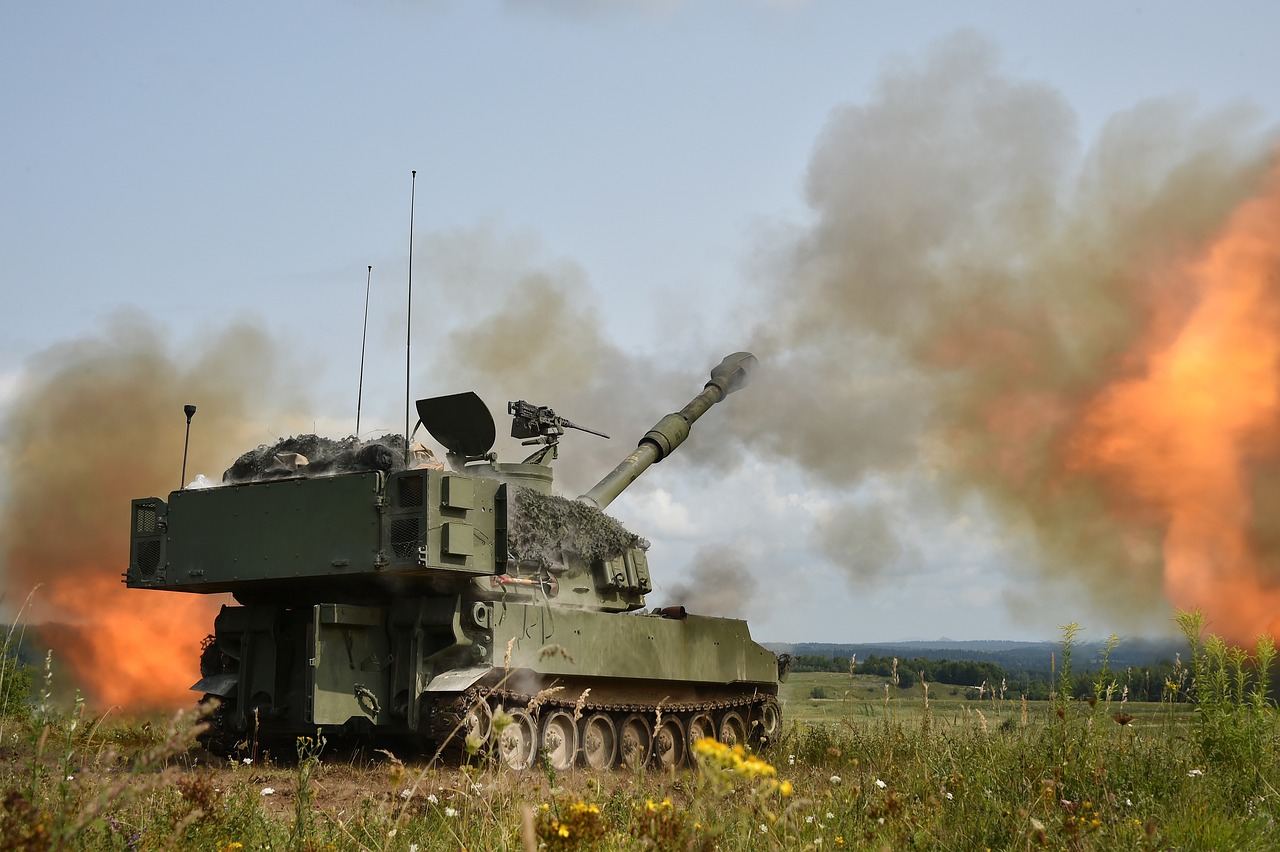
What Is the Fog of War?
The:
- Fog of War
refers to the uncertainty and confusion experienced during combat operations.
Military leaders often struggle to know:
- Enemy location
- Enemy strength
- Enemy intentions
- Battlefield conditions
- Real-time operational status
Who Introduced the Concept?
The concept is strongly associated with:
- Carl von Clausewitz
the famous Prussian military theorist.
Clausewitz argued that war naturally contains:
- Uncertainty
- Friction
- Confusion
- Human error
Why the Fog of War Exists
Battlefields are extremely dynamic environments involving:
- Rapid movement
- Communication breakdowns
- Terrain limitations
- Human stress
- Electronic interference
- Psychological pressure
As a result:
- Perfect situational awareness becomes nearly impossible
The Strategic Use of Fog of War
Modern militaries increasingly try to:
- Exploit and intensify battlefield confusion for opponents
This strategy aims to:
- Disrupt enemy decisions
- Create panic
- Slow reactions
- Break coordination
- Reduce morale
How Confusion Creates Operational Failure
When commanders lack reliable information:
- Decision-making slows dramatically
This can cause:
- Delayed responses
- Friendly fire incidents
- Poor coordination
- Logistical problems
- Misallocation of forces
Deception Operations and Fog of War
Military deception is one of the primary ways to create battlefield uncertainty.
This includes:
- Fake troop movements
- False radio traffic
- Dummy equipment
- Misinformation campaigns
Electronic Warfare and Confusion
Modern:
- Electronic warfare
plays a major role in generating Fog of War.
Electronic attacks may involve:
- Radar jamming
- GPS disruption
- Communication interference
- Sensor spoofing
Cyber Warfare and Information Disruption
Cyber warfare can intensify battlefield confusion by targeting:
- Command systems
- Military databases
- Communication networks
- Satellite systems
Psychological Effects of the Fog of War
Fog of War strongly affects:
- Human psychology
Uncertainty increases:
- Fear
- Stress
- Panic
- Mental fatigue
- Decision paralysis
The Role of Surprise
One of the most powerful battlefield advantages is:
- Strategic surprise
Surprise increases confusion by:
- Disrupting expectations
- Breaking plans
- Forcing rapid reactions
Blitzkrieg and the Fog of War
German:
- Blitzkrieg tactics
during World War II heavily exploited battlefield confusion through:
- Rapid armored movement
- Air-ground coordination
- Fast operational tempo
- Communication disruption
Special Forces and Chaos Creation
Special operations units often create localized Fog of War through:
- Sabotage missions
- Covert infiltration
- Targeted strikes
- Reconnaissance operations
Drone Warfare and Real-Time Confusion
Modern drones contribute to battlefield uncertainty by:
- Providing continuous surveillance
- Conducting unpredictable strikes
- Tracking troop movement
- Operating across large areas
Artificial Intelligence and Future Fog of War
Artificial Intelligence may both:
- Reduce and intensify Fog of War
AI can improve:
- Data analysis
- Battlefield awareness
- Sensor fusion
but may also introduce:
- AI-generated misinformation
- Autonomous cyber attacks
- Synthetic battlefield deception
Information Warfare and Narrative Chaos
Modern information warfare creates strategic confusion through:
- Misinformation campaigns
- Propaganda
- Conflicting narratives
- Social media manipulation
The OODA Loop Connection
The Fog of War directly affects:
- The OODA Loop
because confusion disrupts:
- Observation
- Orientation
- Decision-making
- Action cycles
Can Technology Eliminate the Fog of War?
Despite advanced technologies:
- Satellites
- Drones
- AI systems
- Real-time sensors
the Fog of War still exists because:
- Humans still interpret information imperfectly
Friendly Fire and Battlefield Confusion
One dangerous result of Fog of War is:
- Friendly fire incidents
These occur when confusion causes forces to:
- Misidentify allies
- Lose situational awareness
- Communicate incorrectly
Why Commanders Fear Uncertainty
Military leaders fear uncertainty because:
- Bad decisions made under confusion can destroy entire operations
History shows many military defeats occurred because commanders:
- Misread situations
- Reacted too slowly
- Trusted false information
Modern Network-Centric Warfare
Modern militaries attempt to reduce Fog of War through:
- Network-centric warfare
which integrates:
- Satellites
- Drones
- Sensors
- Command systems
- Real-time communication
The Ultimate Goal of Chaos Strategy
The ultimate purpose of exploiting Fog of War is:
- To collapse enemy cohesion and decision-making ability
An enemy overwhelmed by uncertainty may:
- Lose initiative
- Retreat prematurely
- Make strategic mistakes
- Experience morale collapse
Conclusion
The Fog of War remains one of the most important realities of military conflict. First emphasized by Clausewitz, the concept describes the uncertainty, confusion, and unpredictability that dominate real battlefields.
Modern militaries increasingly seek not only to reduce their own battlefield uncertainty, but also to deliberately create confusion for opponents through:
- Electronic warfare
- Cyber attacks
- Psychological operations
- Deception tactics
- Information warfare
- Rapid maneuver warfare
As warfare becomes increasingly digital, networked, and AI-driven, controlling information and creating uncertainty may become just as important as controlling territory itself.
In many modern conflicts, victory may ultimately belong to the side that can:
- See clearly while forcing the enemy to fight in confusion



0 Comments