What Is Shock and Awe Doctrine and Does It Still Work?
Modern warfare increasingly focuses not only on destroying enemy forces, but also on:
- Paralyzing decision-making
- Creating psychological fear
- Collapsing enemy morale rapidly
- Overwhelming command systems
One of the most famous strategies built around these ideas is:
- Shock and Awe Doctrine
Officially known as:
- Rapid Dominance
this doctrine aims to achieve victory through:
- Massive precision strikes
- Information dominance
- Psychological paralysis
- Overwhelming force projection
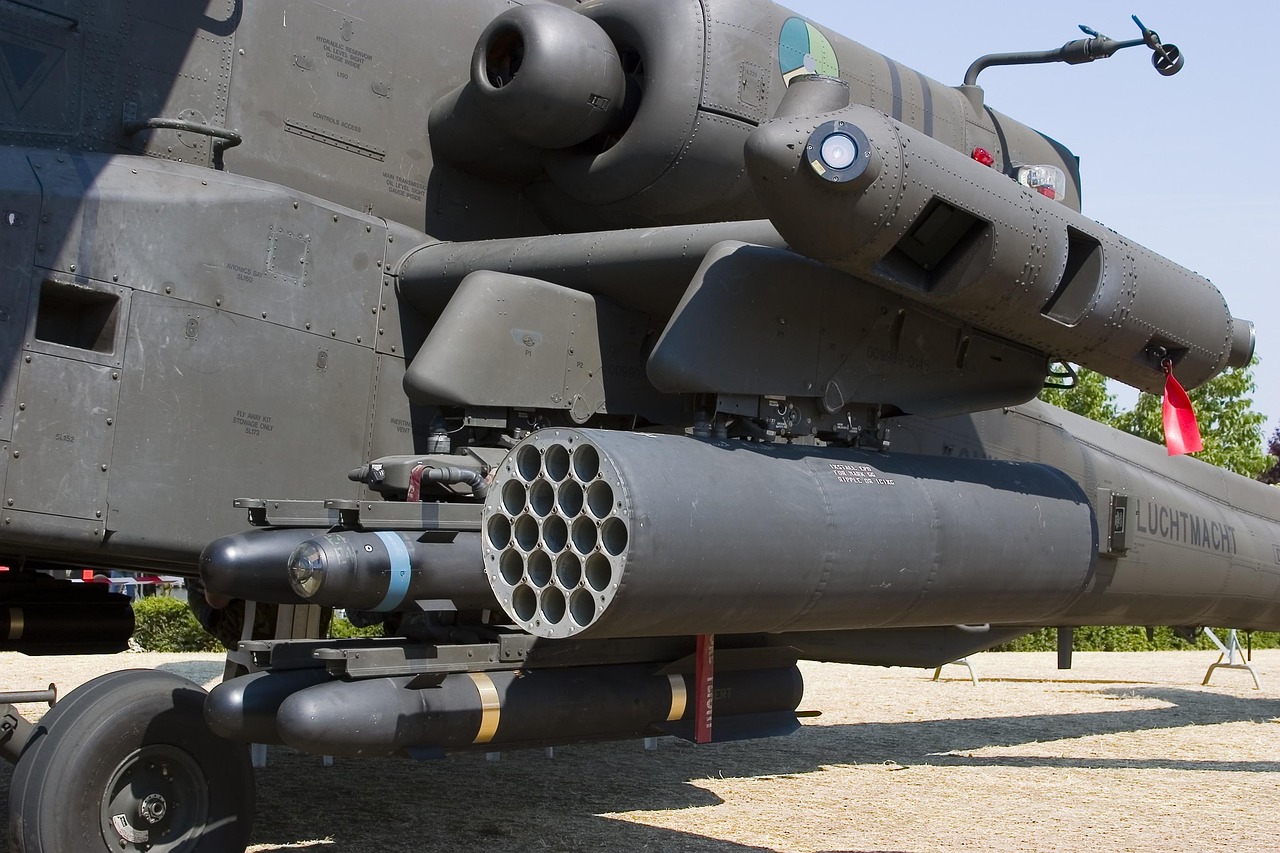
What Is Shock and Awe Doctrine?
Shock and Awe is a military doctrine developed in the 1990s by:
- Harlan Ullman
- James Wade
under the concept of:
- Rapid Dominance
The strategy seeks to:
- Overwhelm enemy perception
- Destroy command structures
- Create fear and confusion
- Collapse resistance rapidly
Why Was Shock and Awe Developed?
Military planners realized that modern wars could become:
- Long
- Expensive
- Politically unpopular
Therefore, Shock and Awe was designed to:
- Achieve rapid victory with minimal prolonged fighting
The Psychological Component
Shock and Awe strongly emphasizes:
- Psychological warfare
The doctrine attempts to:
- Break enemy morale
- Create fear
- Cause confusion
- Destroy confidence in leadership
before the enemy can organize resistance.
How Shock and Awe Works
The doctrine combines:
- Massive airpower
- Precision-guided weapons
- Electronic warfare
- Information dominance
- Rapid maneuver operations
to create:
- Operational paralysis
The Role of Precision Weapons
Modern:
- Precision-guided munitions
are central to Shock and Awe because they allow militaries to:
- Strike key targets quickly
- Reduce collateral damage
- Destroy command centers accurately
- Target infrastructure efficiently
Airpower and Rapid Dominance
Air superiority is critical for Shock and Awe operations because aircraft can rapidly attack:
- Military headquarters
- Communication systems
- Air defenses
- Logistics centers
- Government infrastructure
Information Warfare Integration
Shock and Awe also depends heavily on:
- Information dominance
This includes:
- Electronic warfare
- Cyber attacks
- Communication disruption
- Intelligence superiority
The Iraq War Example
The doctrine became globally famous during:
- The 2003 Iraq War
where coalition forces launched:
- Massive precision bombing campaigns
- Rapid ground offensives
- Coordinated information operations
to overwhelm Iraqi defenses quickly.
Initial Success of Shock and Awe
In conventional battlefield terms, Shock and Awe achieved:
- Rapid collapse of Iraqi military resistance
- Fast capture of major cities
- Quick destruction of command structures
The Long-Term Problem
Although Shock and Awe achieved rapid battlefield victory, later challenges emerged:
- Insurgencies
- Guerrilla warfare
- Political instability
- Asymmetric resistance
This raised questions about:
- Whether rapid military dominance guarantees long-term strategic success
Shock and Awe vs Attrition Warfare
| Shock and Awe | Attrition Warfare |
|---|---|
| Rapid dominance | Long-term exhaustion |
| Psychological collapse | Physical destruction focus |
| Precision strikes | Continuous combat pressure |
| Speed and surprise | Resource depletion |
| Operational paralysis | Gradual weakening |
The Importance of Technology
Shock and Awe depends heavily on advanced technology such as:
- Stealth aircraft
- Precision missiles
- Satellite surveillance
- Real-time intelligence
- Electronic warfare systems
Modern Drone Warfare and Shock Operations
Modern drones increase Shock and Awe capabilities by providing:
- Persistent surveillance
- Precision targeting
- Continuous pressure
- Rapid strike capability
Cyber Warfare and Rapid Dominance
Today, Shock and Awe increasingly includes:
- Cyber warfare
through attacks on:
- Power systems
- Communication networks
- Military databases
- Critical infrastructure
Can Shock and Awe Work Against Guerrilla Warfare?
Shock and Awe works best against:
- Conventional state militaries
However, decentralized insurgencies often:
- Avoid fixed targets
- Blend into civilian populations
- Operate through small mobile groups
Role of Media in Shock and Awe
Media coverage is important because dramatic military operations can:
- Create global psychological impact
- Influence enemy morale
- Shape public opinion
Criticism of Shock and Awe
Critics argue that Shock and Awe:
- Overestimates the impact of fear alone
and may:
- Strengthen resistance
- Create civilian backlash
- Fail against ideological movements
Artificial Intelligence and Future Shock Warfare
AI may transform future Shock and Awe operations through:
- Autonomous targeting
- Drone swarm coordination
- Predictive battlefield analysis
- Automated cyber operations
Advantages of Shock and Awe
| Advantage | Strategic Effect |
|---|---|
| Rapid victory potential | Shortens conventional conflict |
| Psychological pressure | Weakens enemy morale |
| Precision operations | Improves strike efficiency |
| Operational dominance | Disrupts enemy coordination |
| Information superiority | Increases battlefield control |
Does Shock and Awe Still Work Today?
The answer depends on:
- The type of enemy
- The political environment
- The nature of the conflict
Shock and Awe remains highly effective against:
- Conventional military systems
- Centralized command structures
- Technologically weaker states
However, it is less effective against:
- Insurgencies
- Hybrid warfare
- Decentralized resistance networks
Conclusion
The:
- Shock and Awe Doctrine
revolutionized modern military thinking by emphasizing:
- Rapid dominance
- Psychological paralysis
- Precision warfare
- Information superiority
- Overwhelming operational force
The doctrine proved highly effective against conventional military systems by creating:
- Operational collapse before prolonged warfare could begin
However, modern conflicts increasingly involve:
- Hybrid warfare
- Cyber operations
- Guerrilla resistance
- Decentralized insurgencies
which reduce the effectiveness of purely conventional shock-based strategies.
Today, Shock and Awe still works under certain conditions — but modern warfare has shown that:
- Winning the opening battle quickly is not the same as winning the entire war.



0 Comments